Cruise data, minus the horror stories
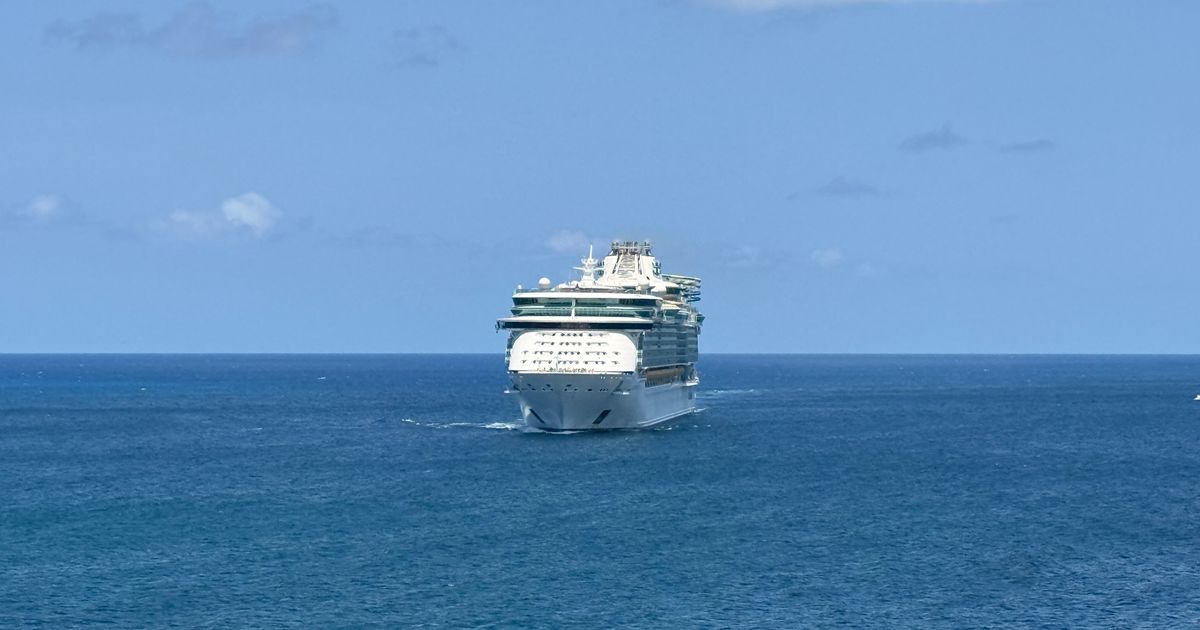
Let's start with the thing most "cruise eSIM" articles won't tell you: no eSIM gives you data in the middle of the sea. Out on the water there are only two options — the ship's satellite wifi, or a roaming horror story. What eSIMs can do is cover every day you're actually on land: your Florida days, embarkation morning, and — with the right plan for each flag — the port days too. One US plan for the Florida half of the holiday, and if your itinerary calls for it, a Bahamas or Caribbean add-on for the islands.
The three phases of cruise data
1. On land in Florida — where the eSIM earns its keep
Most Caribbean cruises start at Port Canaveral, PortMiami or Port Everglades (Fort Lauderdale), and most British cruisers wrap days around them — Orlando parks before a Canaveral sailing, a South Beach night before Miami. From the moment you land, a US data eSIM covers the hotels, the Ubers, the parks and embarkation morning itself: cruise-line app check-in, boarding passes, muster info and the last flurry of WhatsApps — in a terminal where the free wifi is carrying five thousand other people trying to do the same thing.
Doing the parks first? Our Orlando guide covers the pre-cruise leg; sailing from PortMiami, the Miami guide has you covered.
2. At sea — airplane mode is the whole game
A few miles out, phones latch onto the ship's own maritime network ("Cellular at Sea" or similar on your screen). It looks like normal signal. It is not: it's satellite roaming billed by UK carriers at several pounds per megabyte — the source of every thousand-pound-bill story you've read. The rule that keeps you safe costs nothing: airplane mode at sail-away, wifi back on. Your eSIMs simply sleep — they aren't burning data or validity, and the right one wakes up at the next port it covers.
Want to be online mid-ocean? That's what the ship's wifi packages are for — typically $15–30 per device per day depending on line and tier. Buy it for the sea days if you need it; don't pay it for port days the eSIM covers free.
3. Port days — know your flag
- Key West — a regular stop on western Caribbean loops, and it's simply Florida: your US eSIM works exactly as it does in Miami, full stop.
- The Bahamas — Nassau, Freeport, Celebration Key, CocoCay, Half Moon Cay — a different country, and (a quirk of the wholesale networks) the one Caribbean stop no regional plan includes. It needs its own Bahamas eSIM — from £7.99 for 1GB/7 days, plenty for a port day of maps, WhatsApp and photo uploads.
- Dominican Republic, Turks & Caicos, Jamaica, Grand Cayman, San Juan and most of the eastern Caribbean — one Caribbean regional eSIM covers 20+ islands — £6.99 for a single port day, up to £48.99 for 10GB across a month of island-hopping, so Amber Cove, Grand Turk, Ocho Rios, Georgetown and St Kitts are all one plan. It does not cover the Bahamas — that's what the plan above is for.
- Cozumel, Costa Maya, Belize and Roatán — Mexico and Central America, which neither plan covers. We'd rather tell you that plainly than sell you something that dies at the gangway: for a few hours ashore, port-side café wifi handles the photo upload.
Port days at a glance
| Where you're calling | Which plan covers it | What it costs |
|---|---|---|
| Florida & embarkation morning | US data eSIM | £16.99 for 15GB/30 days |
| Key West | Same US eSIM | No extra cost — still Florida |
| Nassau, Freeport, Celebration Key, CocoCay, Half Moon Cay (Bahamas) | Bahamas eSIM | £7.99 for 1GB/7 days |
| Dominican Republic, Turks & Caicos, Jamaica, Grand Cayman, San Juan & 15+ more | Caribbean regional eSIM | £6.99–£48.99 |
| Cozumel, Costa Maya, Belize, Roatán (Mexico & Central America) | Neither plan reaches here | Port-side café wifi for a few hours |
| At sea, any day | Airplane mode | Ship wifi optional, $15–30/device/day |
The honest maths for a typical 7-night Caribbean cruise
Say you fly into Orlando, do three park days, then sail from Port Canaveral calling at Nassau, Celebration Key and Grand Turk before a beach day and the flight home:
- Roaming route: UK daily passes on the US land days (£25–37), roaming rates in the Bahamas and Turks & Caicos that sit outside most "worldwide" daily passes, plus ship wifi all week (£80–160), plus one accidental Cellular-at-Sea hour (unbounded — this is the fun one). Easily £130–220+.
- eSIM route: 15GB / 30 days for £16.99 for every US day, a £7.99 Bahamas plan that covers both Nassau and Celebration Key, and a £6.99 Caribbean plan for Grand Turk — ship wifi only if the sea days truly need it, airplane mode in between. The whole trip lands around £31.97 on three QR codes.
A cruising couple saves £90–180; a family more. And every eSIM sits alongside your UK SIM, so your number and WhatsApp work normally on every land day — how that works is in the FAQ.
Cruise-day checklist
- Install every eSIM on home wifi before you fly (QR by email, 180-day window, each plan's clock only starts when it first connects) — the island add-ons sleep for free until their port day.
- Do the cruise app check-in on eSIM data at the terminal — don't fight the port wifi.
- Sail-away: airplane mode on. Set a phone reminder for 30 minutes after boarding — this is the single most valuable tip on this page.
- Port day: airplane mode off and the matching eSIM does its thing — US plan in Florida and Key West, Bahamas plan in Nassau or at Celebration Key, Caribbean plan almost everywhere else. Mexico or Belize stop: stay in airplane mode, use café wifi.
- Back at the Florida terminal: your US eSIM wakes up and the Uber to the airport books like you never left.
Quick answers for cruise passengers
Does my eSIM work while the ship is at sea? No — no eSIM (or any SIM) gives you signal out on the water. Put your phone in airplane mode as the ship sails and your eSIMs simply pause; they're not burning data or validity, and the right one wakes up again at the next port it covers. The ship's wifi package is the only way to be online mid-ocean.
Do I need a different eSIM for every island? No — three plans cover the whole itinerary. Your US eSIM handles Florida and Key West, one Bahamas eSIM covers Nassau, Freeport and the private islands, and one Caribbean regional eSIM covers 20+ other stops from the Dominican Republic to Grand Cayman.
Can I use the US eSIM before I even board? Yes — turn it on the moment you land in Florida. It covers the airport, the hotel, embarkation morning and cruise-line app check-in at the terminal, all before you set foot on the ship.
What happens if I forget airplane mode at sail-away? Your phone can latch onto the ship's own maritime satellite network ("Cellular at Sea" or similar), billed by UK carriers at several pounds per megabyte — the source of most surprise cruise phone bills. That's a UK-carrier charge, nothing to do with the eSIM itself; airplane mode at sail-away avoids it either way.
My cruise stops in Mexico or Central America (Cozumel, Costa Maya, Belize, Roatán) — am I covered? No — neither the Bahamas nor the Caribbean regional eSIM reaches Mexico or Central America. For a few hours ashore, port-side café wifi is the simplest fix; a dedicated plan rarely pays off for one stop.
US plans — from £9.99 Bahamas & Caribbean add-ons — from £6.99