Miami data without the roaming bill
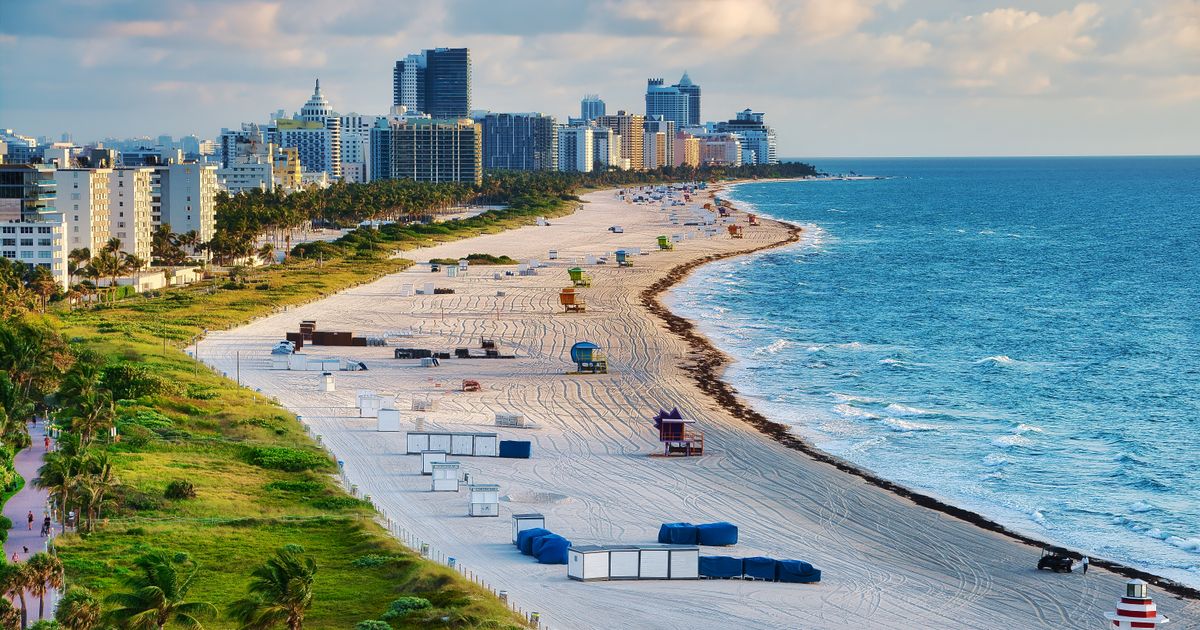
Miami runs on your phone more than any beach city in America. It's an Uber town, a book-ahead town, a which-neighbourhood-is-this town — and if you're one of the millions passing through PortMiami for a cruise, it's the last place your phone properly works before the ship. An eSIM installed before you fly means US data from the moment you clear immigration at MIA, with your UK number untouched.
Where the data goes in Miami
- Getting around. Miami is not a walking city outside South Beach — it's Uber/Lyft everywhere, and both need live data at both ends of the ride. Same for the Brightline app if you're doing the train to Orlando or Fort Lauderdale.
- South Beach, Wynwood, Little Havana. Maps between Ocean Drive and the Art Deco district, translating a Cuban menu on Calle Ocho, finding which Wynwood wall the queue is for — it's all small, constant data.
- Bookings. The restaurants you've seen on Instagram don't take walk-ins; OpenTable and Resy are how Miami eats. Beach clubs and boat trips are the same.
- The cruise terminal. PortMiami is the busiest cruise port on earth, and embarkation day is a festival of boarding passes, muster-station check-ins and last WhatsApps home — on a day when terminal wifi is thousands of people deep. If that's your Miami, read our Caribbean cruise data guide too.
Driving south: Miami to Key West
The Overseas Highway to Key West is the best day-and-a-bit drive in Florida, and your phone is the co-driver: Google Maps for the 42 bridges, tide-timed photo stops at Islamorada, the queue camera at Robbie's, a sunset table in Mallory Square. Coverage along US-1 through the Keys is good in the towns and thinner on the longest bridge stretches — download the offline map before you set off, as you would anywhere remote, and you'll barely notice. Key West itself has solid coverage wall to wall.
Heading the other way up the coast? Fort Lauderdale and the Palm Beaches sit on the same networks with the same strong signal, and Orlando is three and a half hours up the Turnpike for the two-centre holiday crowd.
What a Miami trip costs in roaming — and the alternative
Your UK network will happily cover Miami at £5–7.39 per day: £35–52 for a week, £70–104 for a fortnight, per phone. Our 15GB / 30-day plan is £16.99 flat — one payment, no daily meter, valid long enough to cover a Miami week, a cruise and an Orlando leg on the same eSIM. A couple travelling together saves £100 or more versus a fortnight of roaming passes; a family of three pays £44.99 total with the automatic bundle. The carrier-by-carrier numbers are in our UK travellers' guide.
How much data for a Miami trip?
City breaks burn a little more than park holidays — more Ubers, more lookups, more Instagram. Budget around 1GB a day; a week in Miami fits comfortably inside the 15GB plan with room left for the Keys drive, and heavy story-posters should look at 20GB (£23.99). If you're mostly by the pool with hotel wifi, the 5GB plan at £9.99 covers the out-and-about hours.
Before you fly: two minutes now, zero faff there
- Check your phone is unlocked and takes an eSIM (iPhone XS+, Galaxy S20+, Pixel 3+ — we verify at checkout).
- Buy your plan; the QR arrives by email instantly.
- Install on home wifi — the plan only starts when you land, and you've got 180 days to use it.
- At MIA: Florida eSIM on, data roaming on for that line only, UK line's roaming off.
- WhatsApp, iMessage and your UK number keep working as normal over the eSIM's data — details in the FAQ.